Guerrilla Marketing
Guerrilla marketing is an unconventional strategy that uses high-energy, creative tactics to achieve maximum exposure on a low budget. Coined by Jay Conrad Levinson in 1984, the concept is inspired by "guerrilla warfare," relying on the element of surprise to disrupt public spaces and capture the audience's attention.
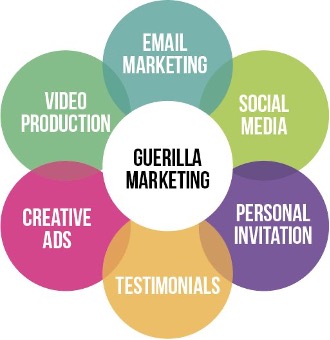
Core Types of Guerrilla Marketing
- Outdoor: Placing unusual objects in urban environments, such as turning a pedestrian crossing into a giant portion of McDonald's fries.
- Indoor: Using enclosed spaces like train stations or malls. A famous example is the T-Mobile flash mob at Liverpool Street Station, which generated millions of views and a 52% sales increase.
- Event Ambush: Promoting a brand at a major event without being an official sponsor, such as the "Fiji Water Girl" photobombing celebrities at the 2019 Golden Globes.
- Experiential: Requiring active public participation, like Volkswagen's piano-themed subway stairs that encouraged commuters to take the stairs instead of the escalator.
- Ambient: Utilising everyday surfaces in unexpected ways, such as KitKat-branded benches that resemble chocolate bars.